.webp)
DOUBLE-BILL PLACE HOLDER: AN ESSAY
As we were walking somewhere past the point of no return
I am part of the first generation born under capitalism, and it shows. My birth certificate still says I was born in the Socialist Republic of Romania. Socialist is struck out with a black pen, as if denying our political past became a collective unquestionable mission.
At the beginning there were no rules, survival of the fittest. The adults that were finally “freed” from the chains of communism were behaving like beasts, everything was for sale, fortunes were built, fortunes were lost, pyramid schemes were flourishing and everyone was in a wild race towards effortless wealth. And when they realized that it was a losing game, many turned to the eye-catching West.
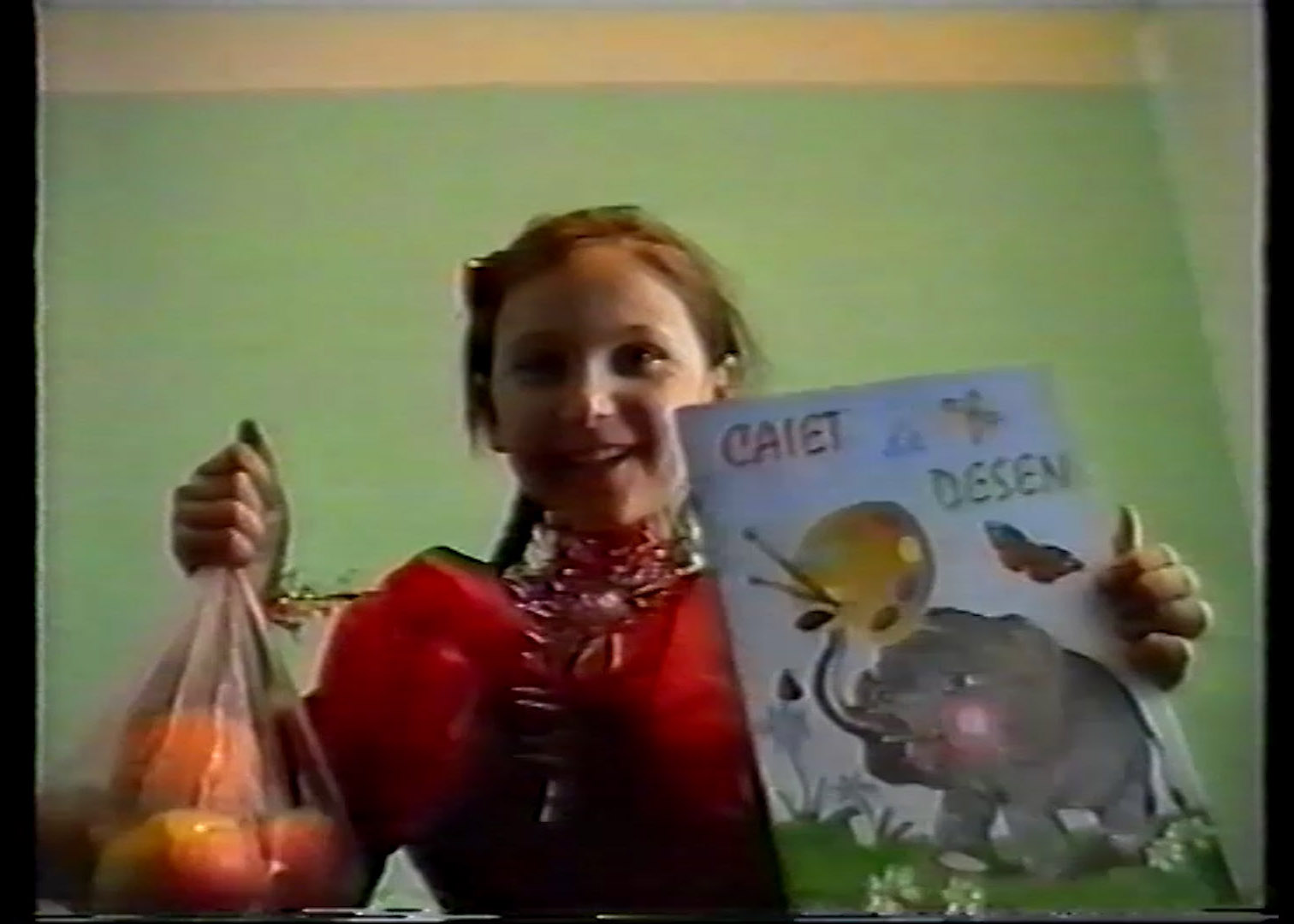
We grew up lost in transition, but with Barbies when others still played with hollow dolls with missing hair and improvised clothes, Toblerone and Haribo when everyone ate Turkish chocolate that would leave stains on your teeth. H&M or C&A felt like luxury brands in a society that dressed from the Red Cross or from second shops filled with leftover clothes from Germany. Gifts replaced conversations. Care became practical, packed up in red, white and blue checkered plastic bags. Sometimes families were quietly replaced with new ones, out of sight, out of mind.
Many of us were raised by grandparents, regardless of whether our parents were abroad or not. For some it worked out just fine, for others the distance between themselves and feeling loved just grew deeper and for some it just felt like an endless summer holiday.
The return of the parents was always postponed, there was always one more thing to finish first, a wall to paint, a room to furnish, a house to complete. Homecoming became synonymous with the idea that something had to be done properly before it could be inhabited again. It almost seemed like a sort of superstition:
if I walk under a ladder, I need to walk back immediately,
if I pass by a black cat, I need to take three steps back,
otherwise seven years of bad luck are upon me.
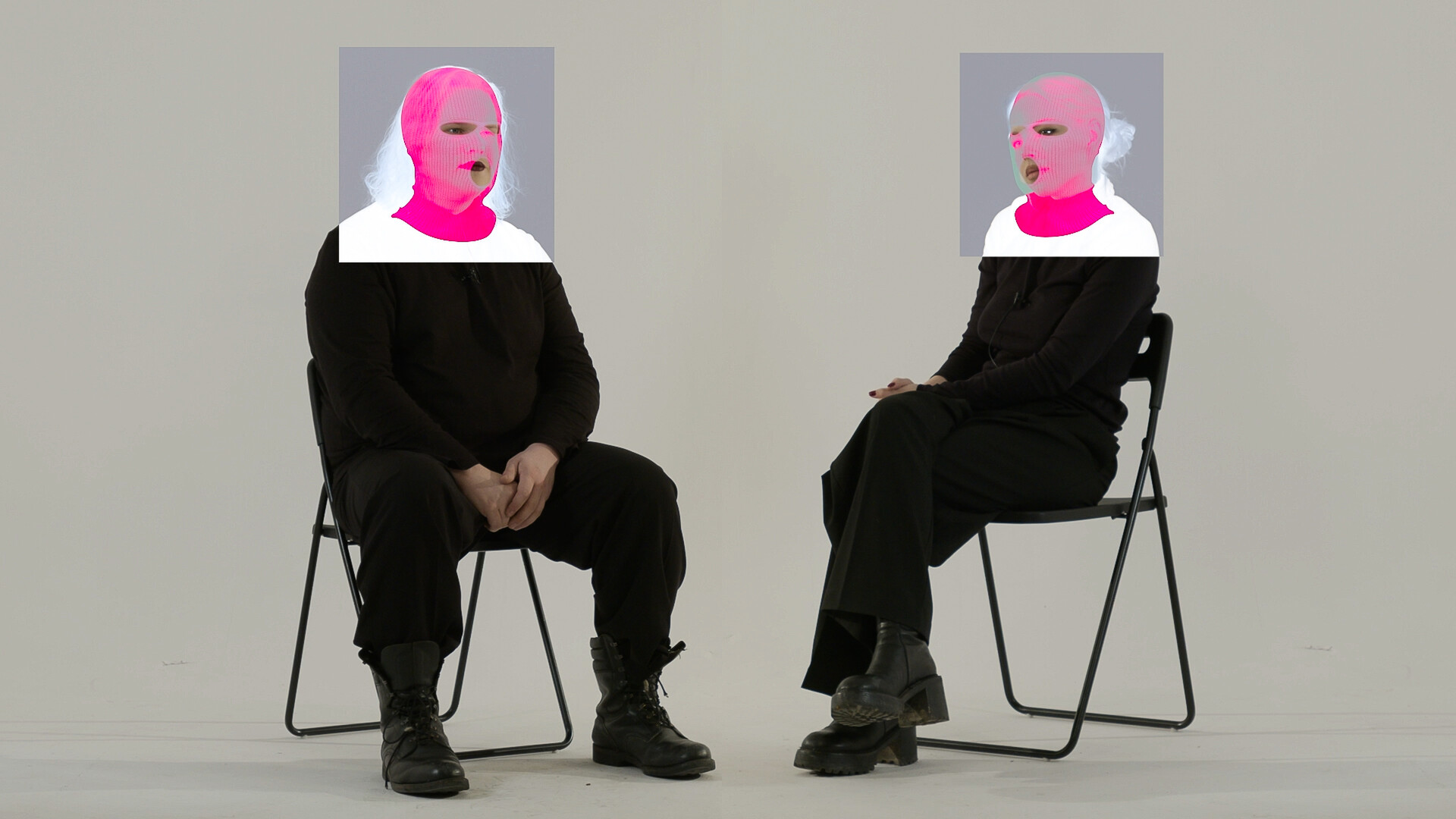
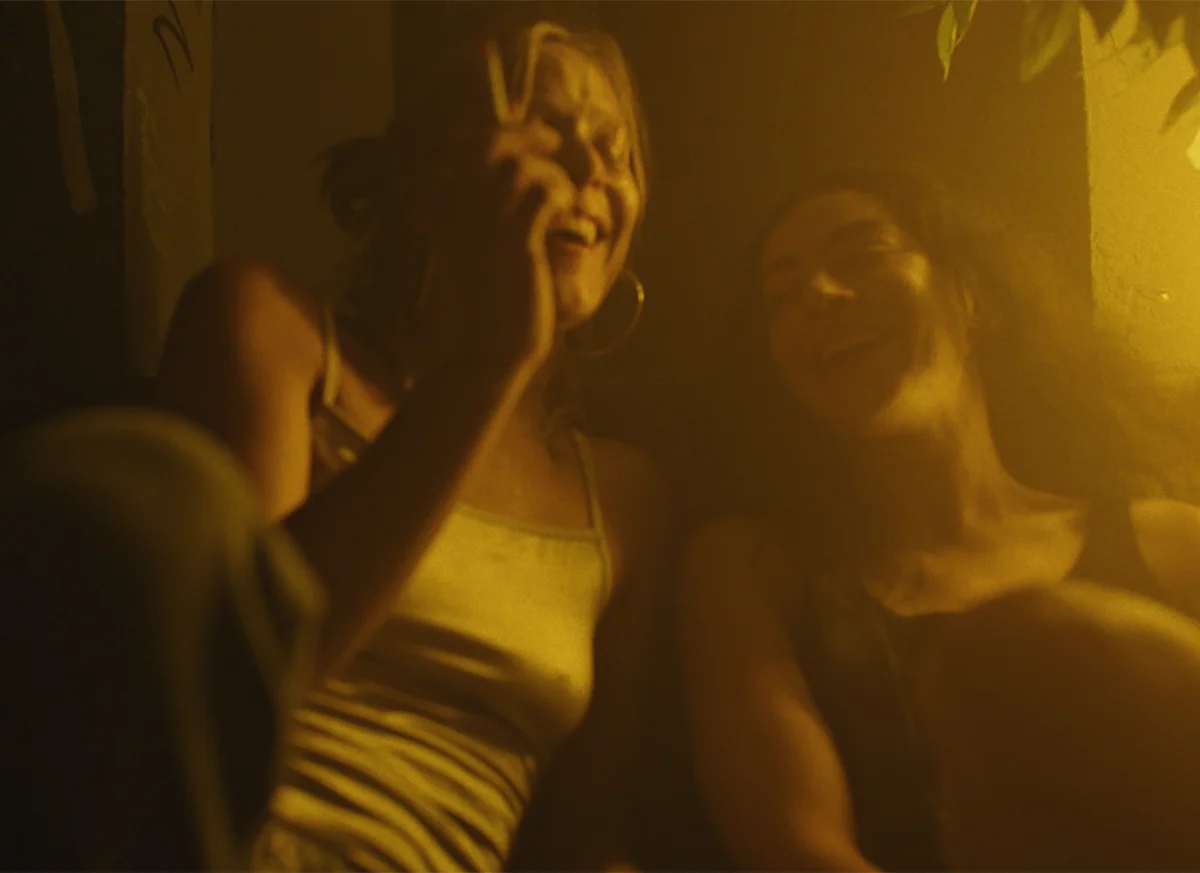
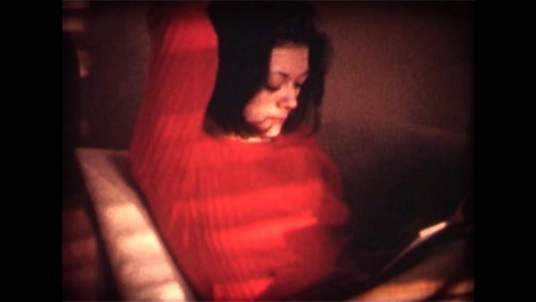
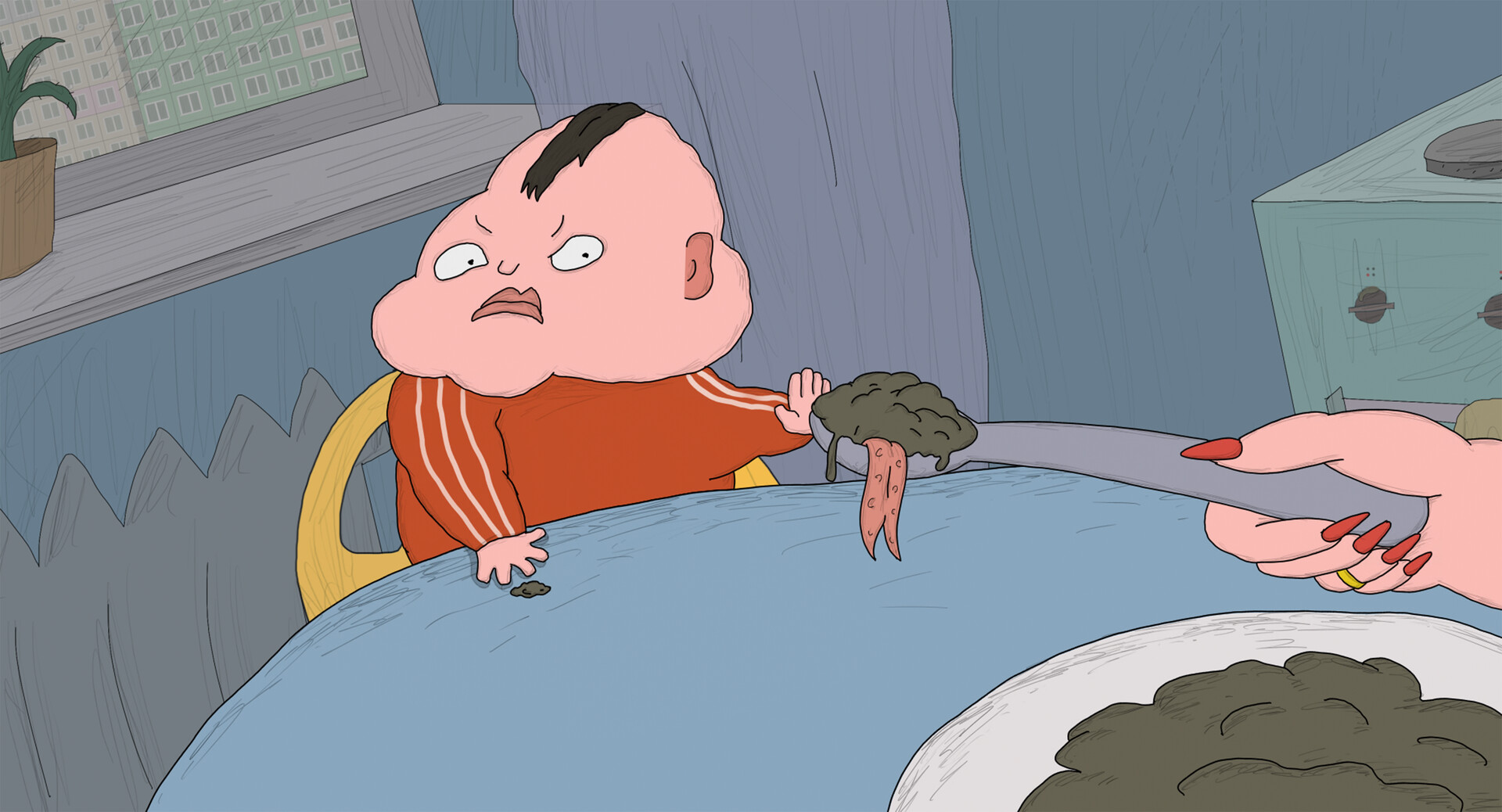
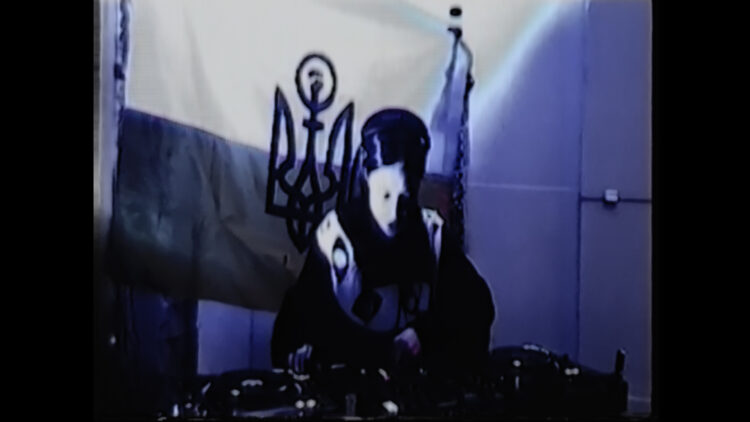
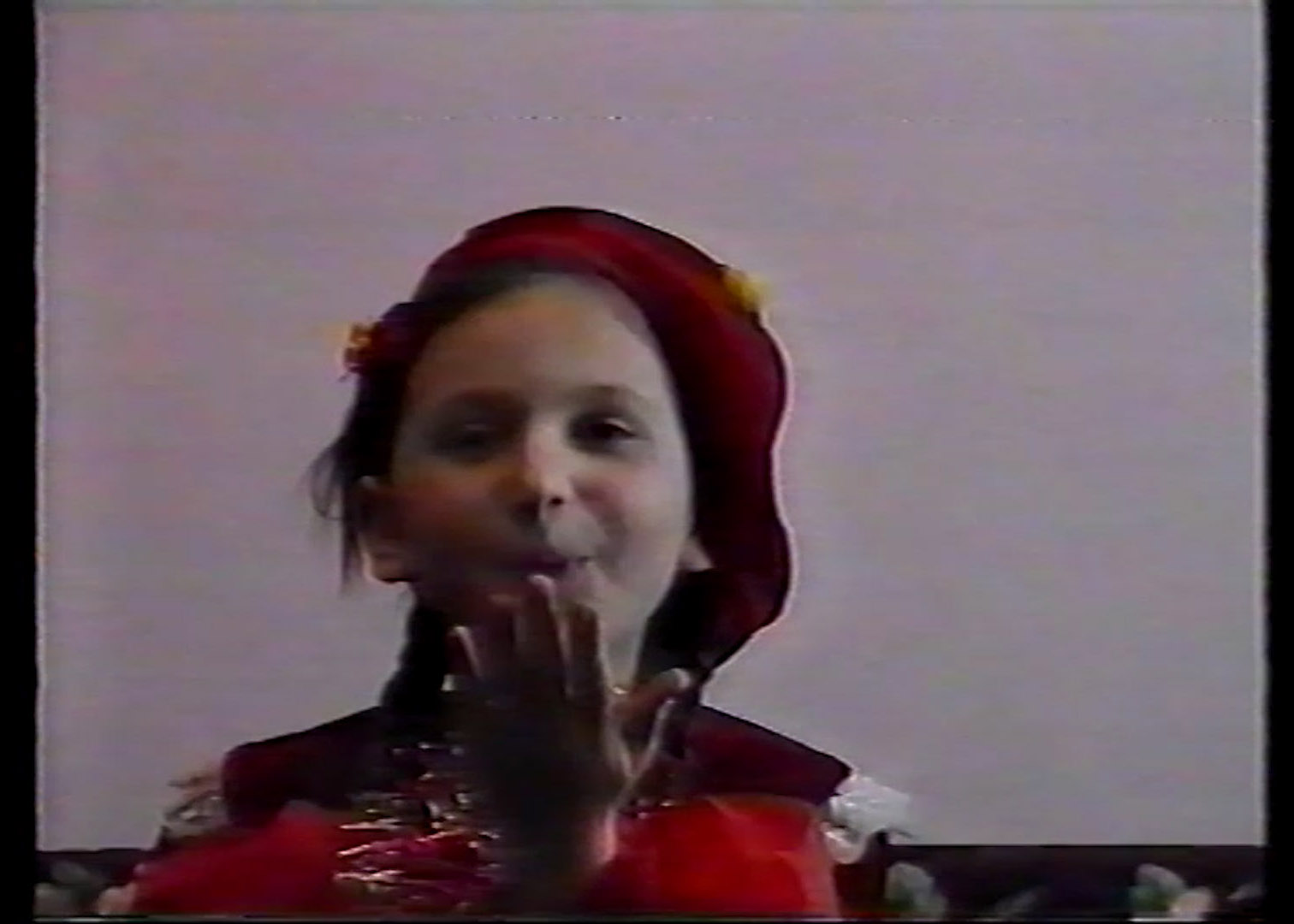
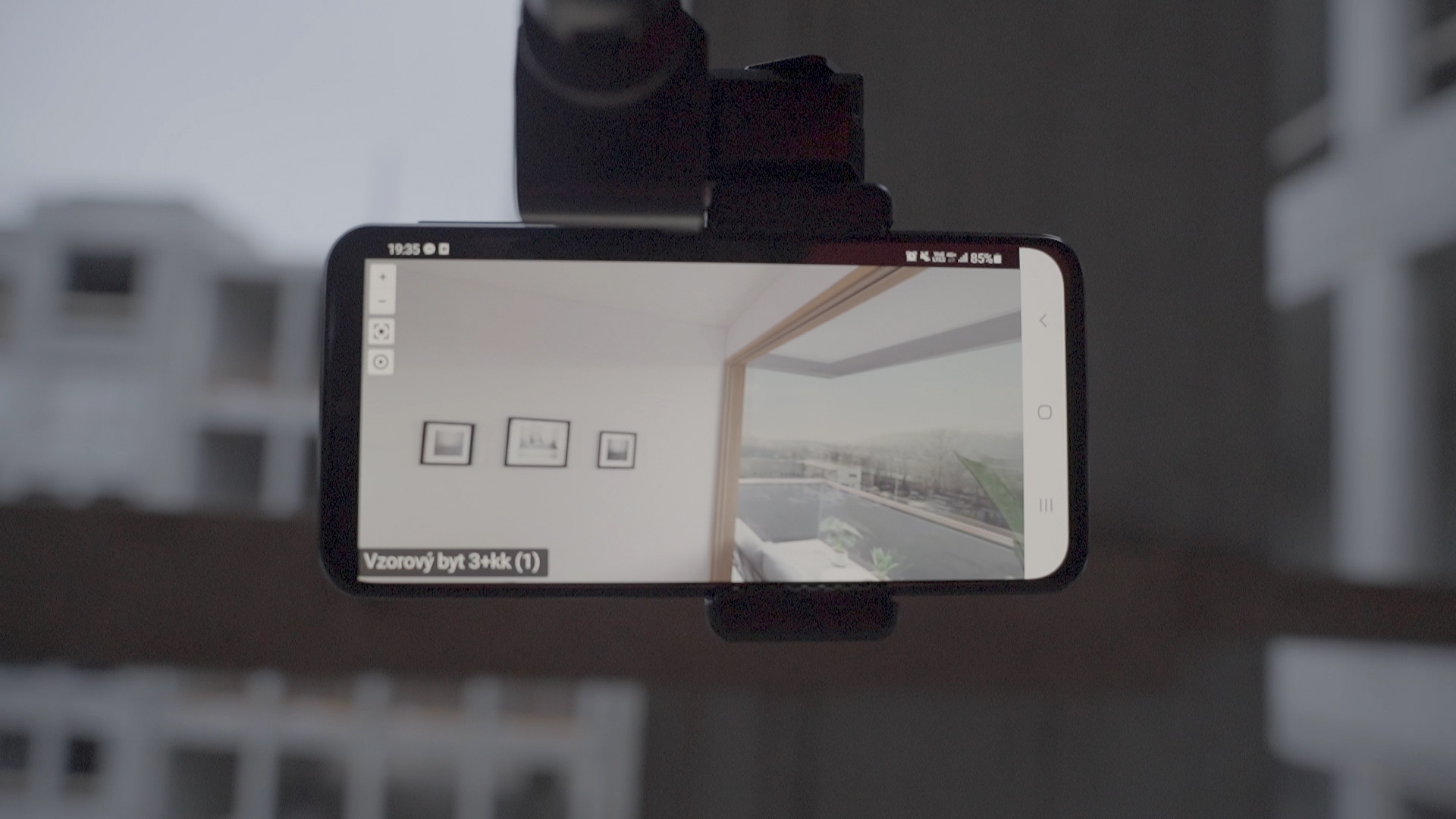
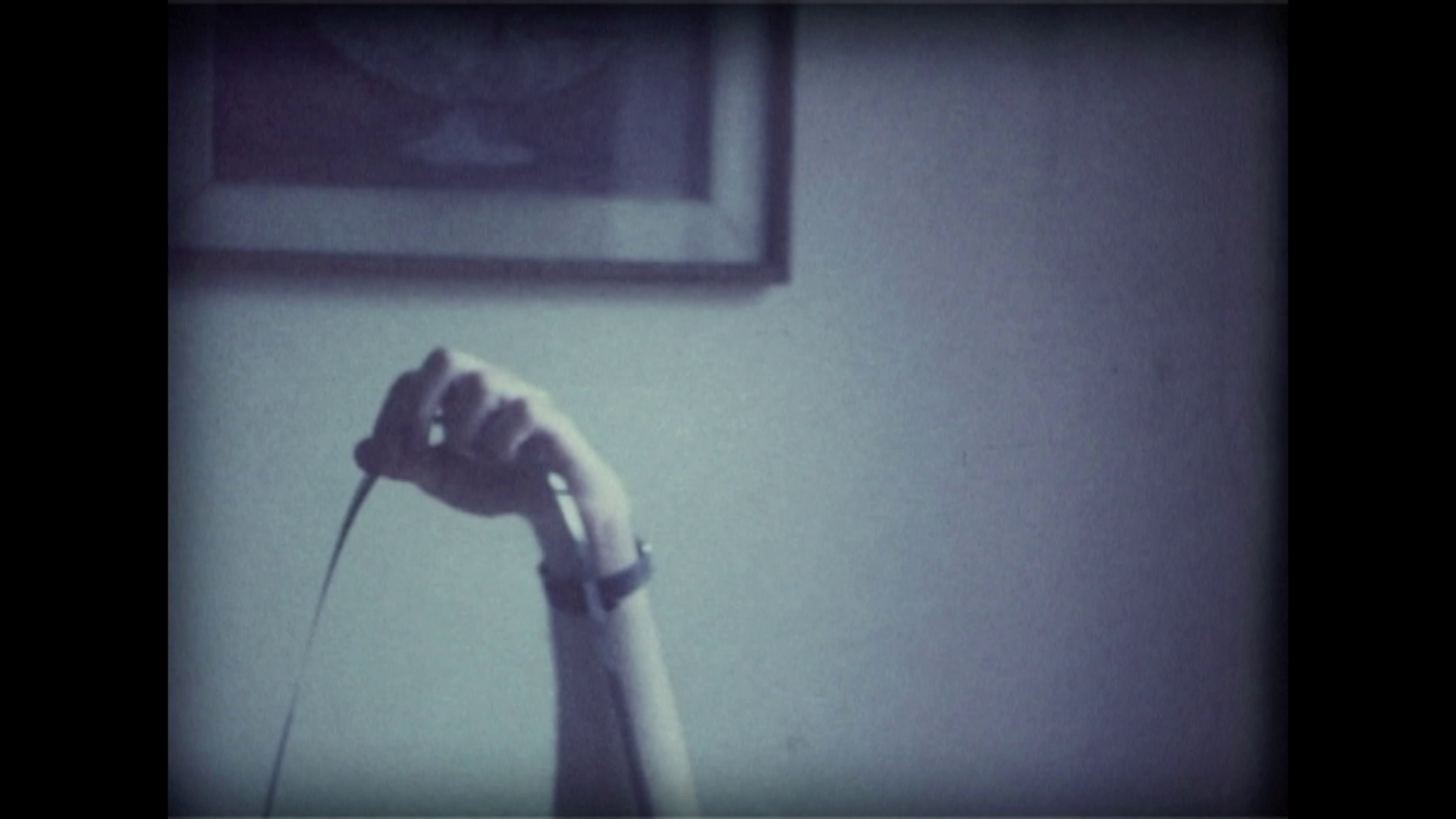
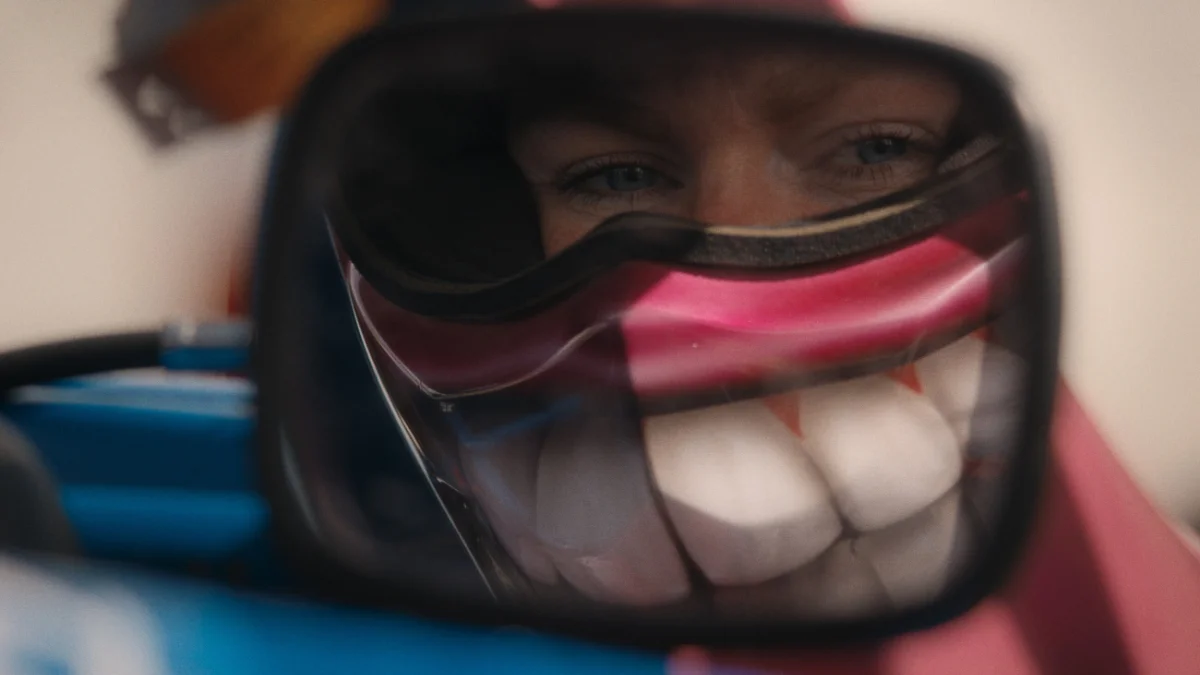
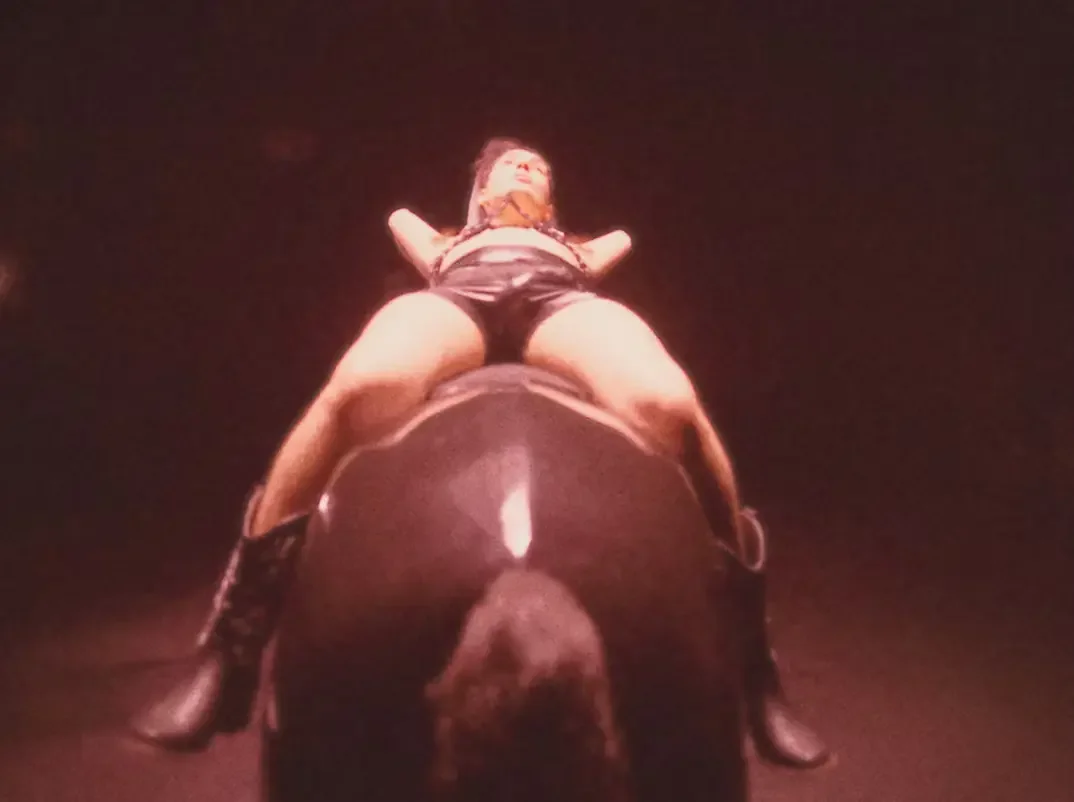
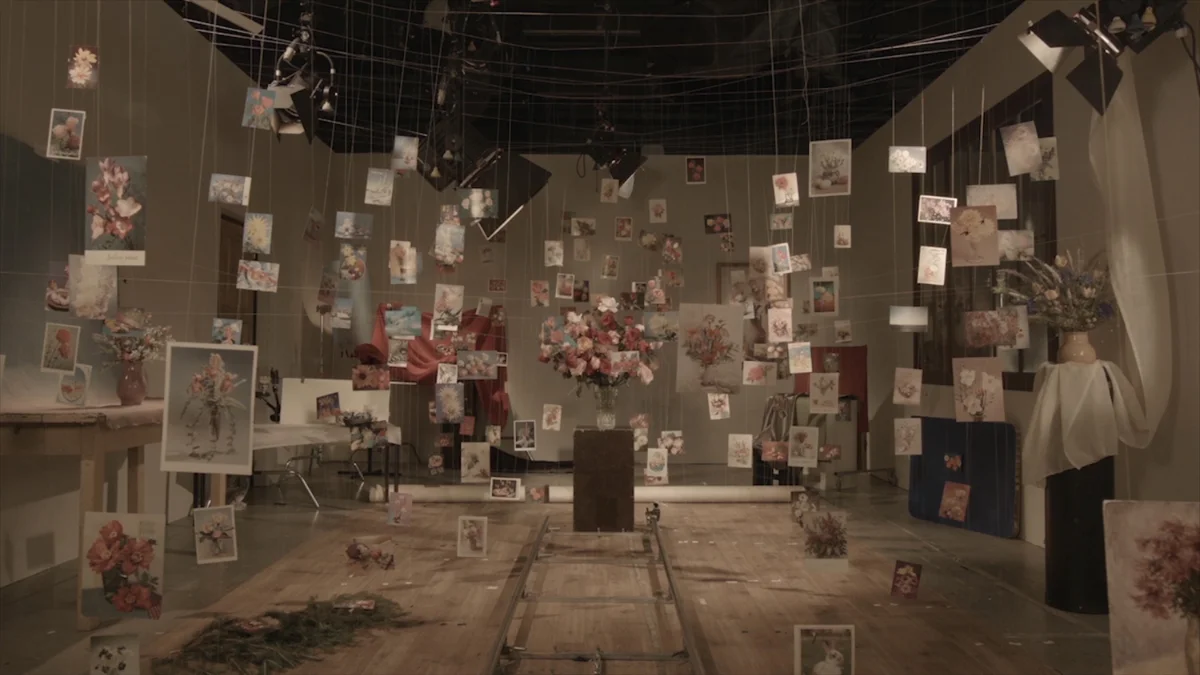
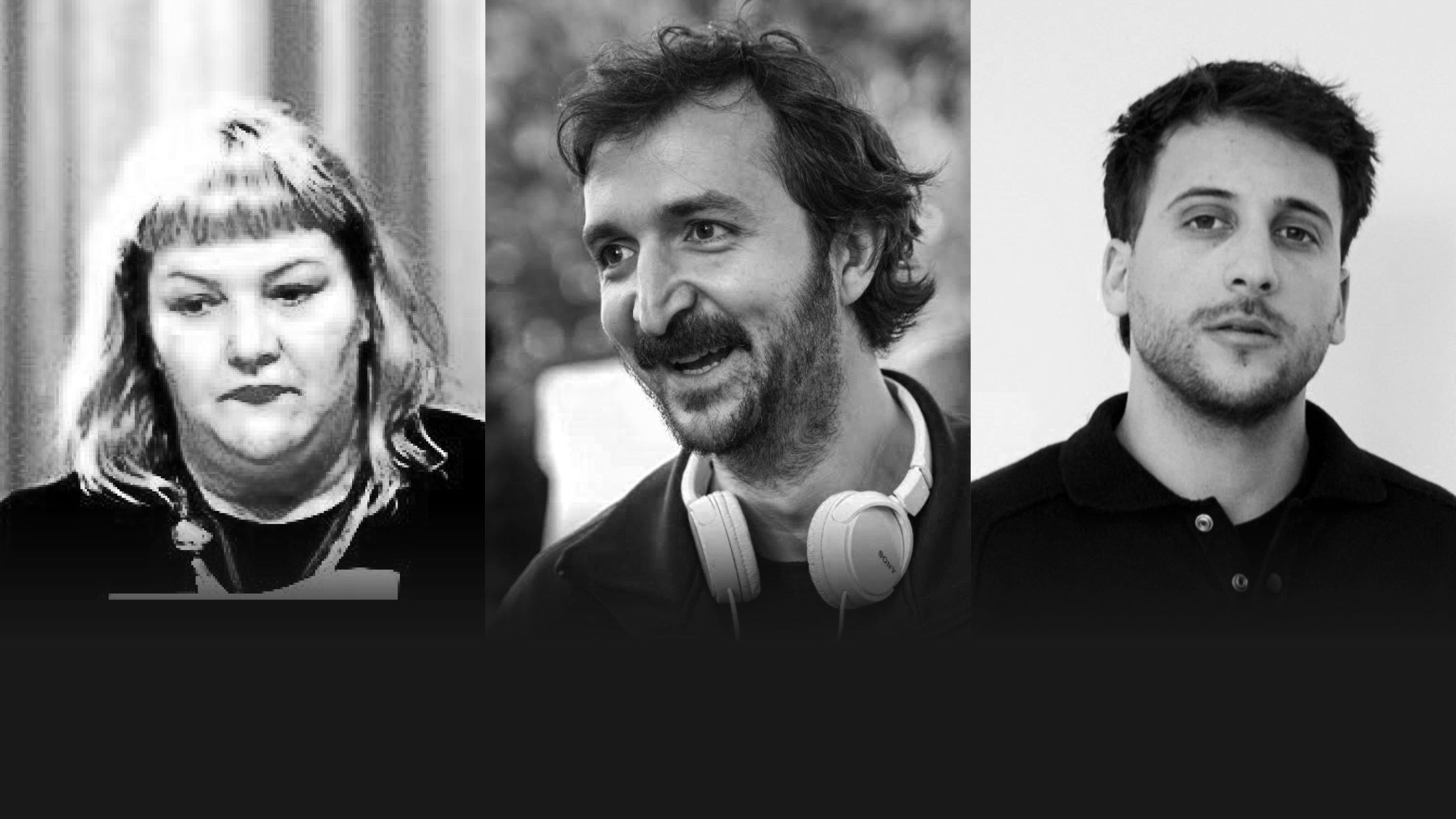
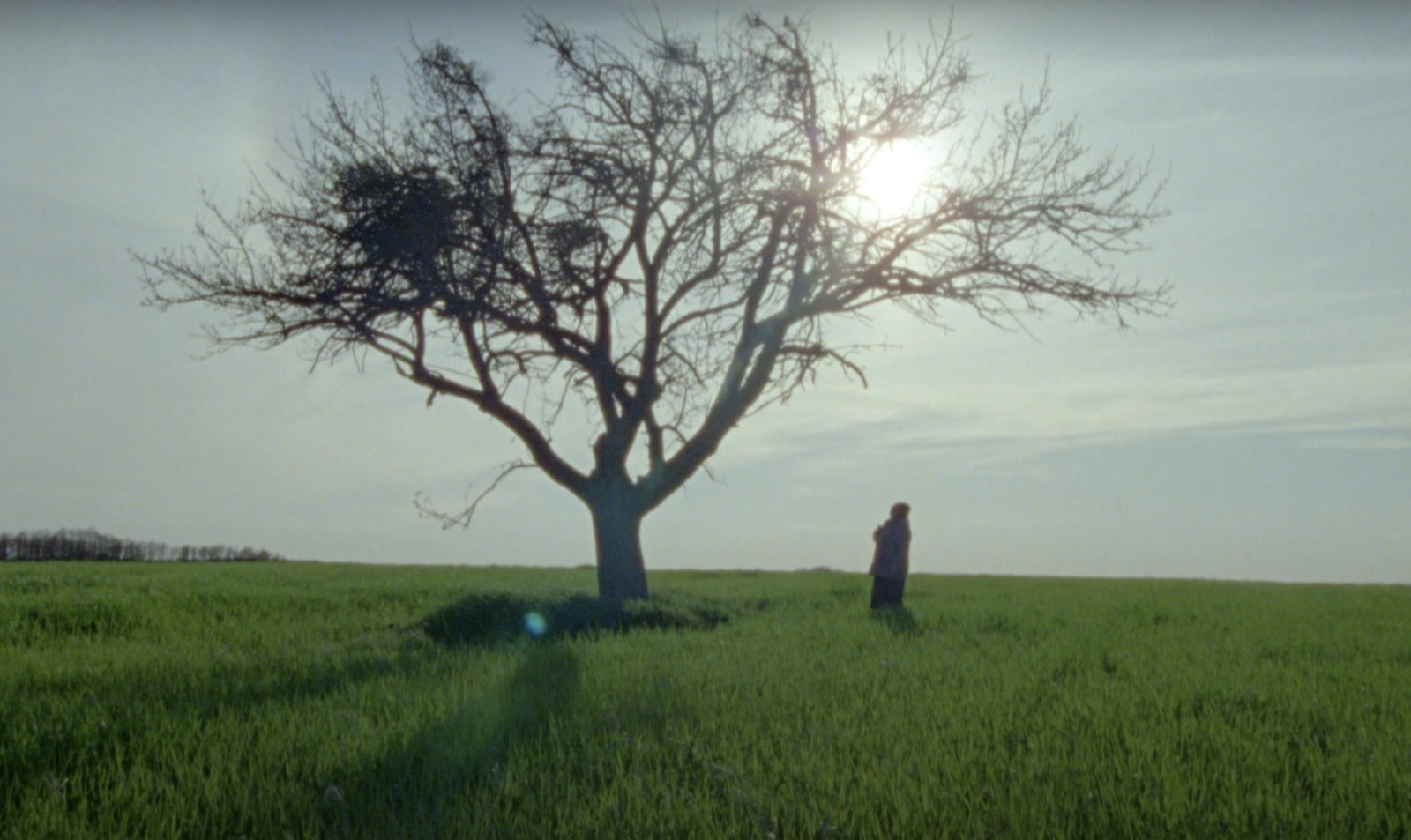
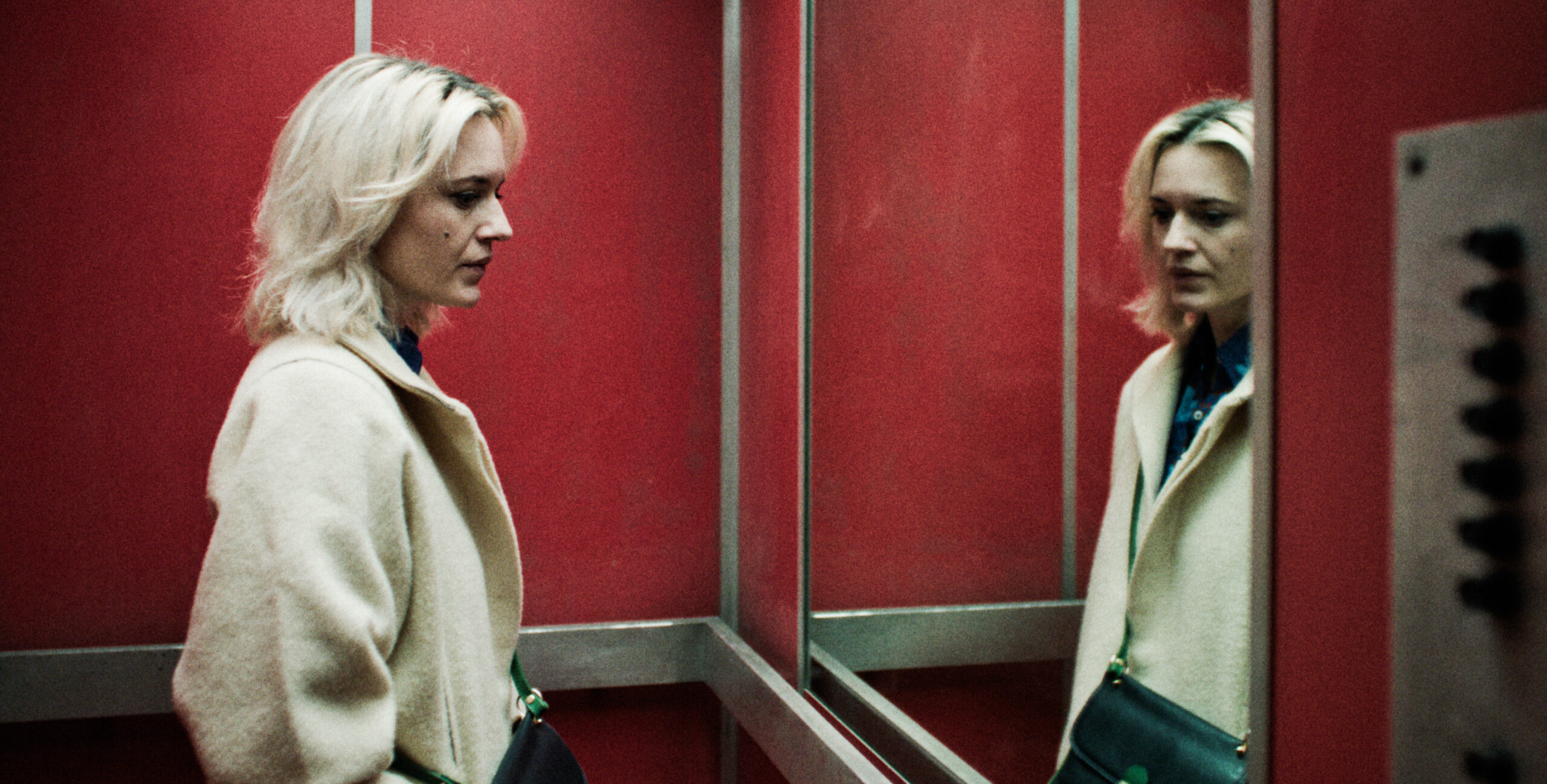
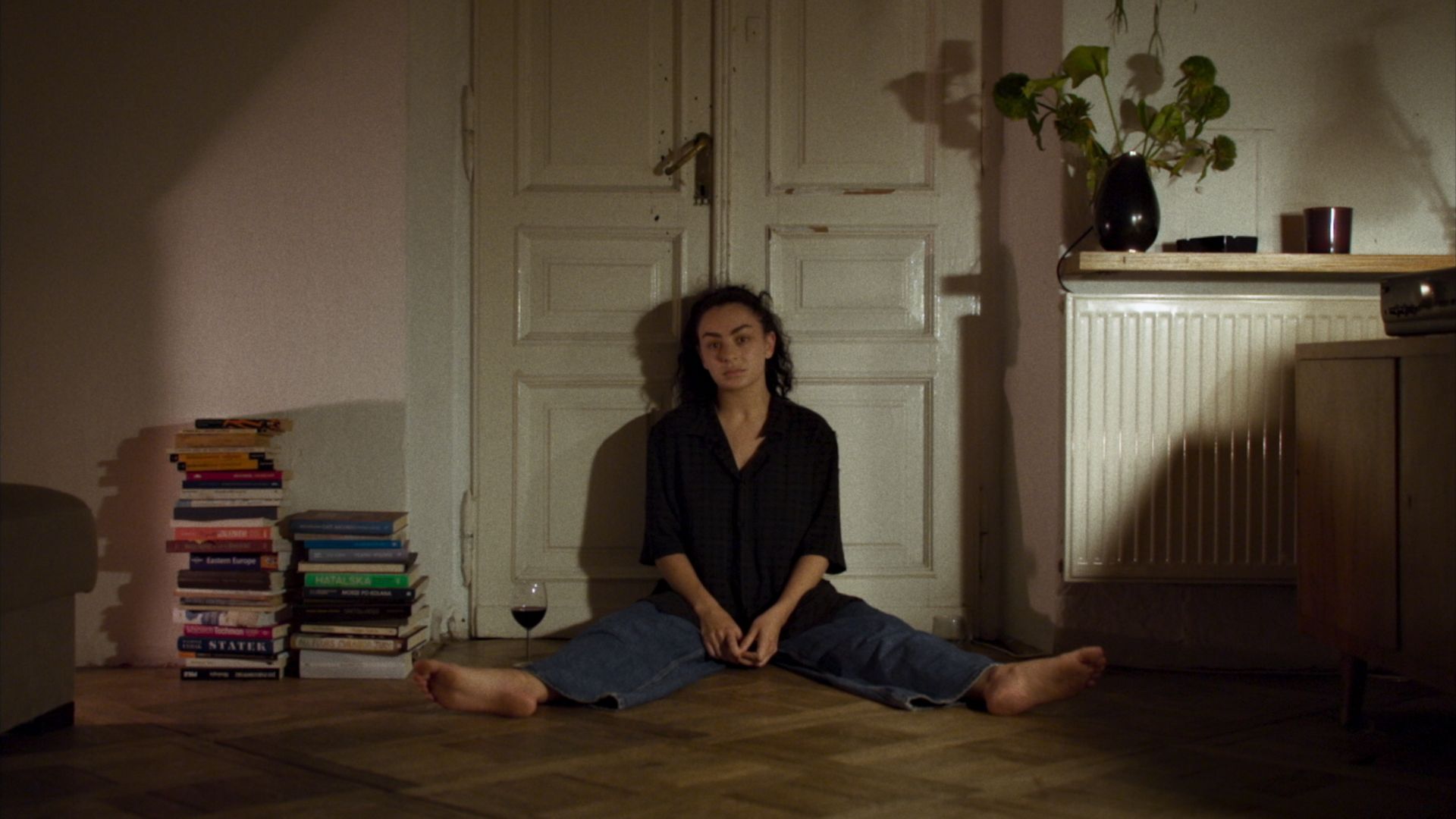
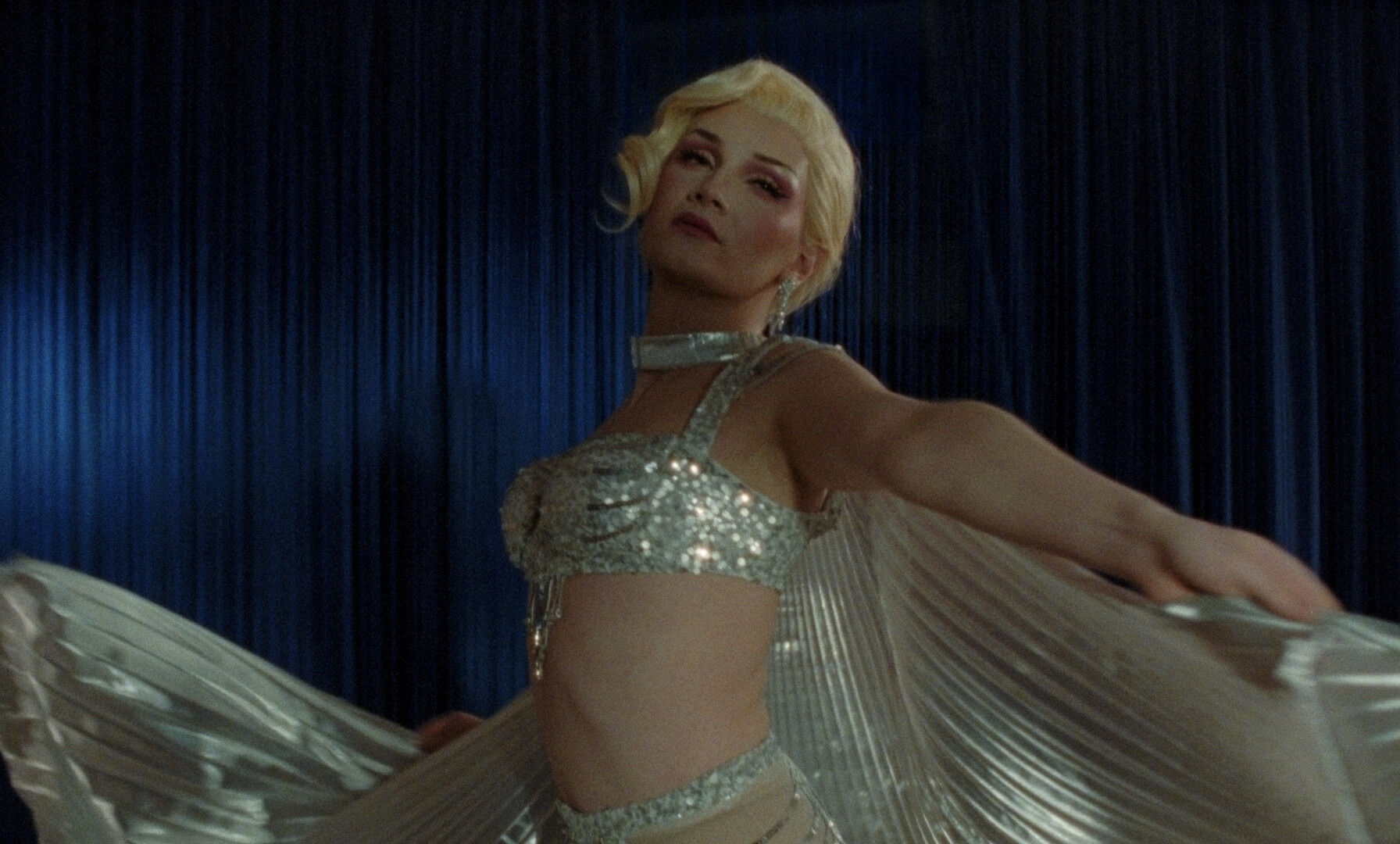
Love is not an orange and On our own exist within this reality. And putting aside genres and forms, both films take the painful reality of migration and surround it in a magical aura, but not with the intent of softening the blow, but with the intent of creating the mythology of a broken generation. The fictional children coexist with the VHS children, they come from the same realm shaped by promises of a better future that required them to become their own parents. Both films don’t dramatize the situation as much as they observe it, allowing its emotional logic to unfold.
Over time, many of us learned that it takes a village to raise a child and sometimes that village had to be rebuilt. In chosen families, in friendships, in communities formed along the way. For those not entirely consumed by the logic of the new economy, there remains a possibility: that what was fragmented can still be held together, collectively.
As long as we nurture each other, we can starve the system!
Since Romania’s accession to the EU in 2007, migration has profoundly reshaped the country’s social fabric. Before the COVID-19 pandemic, several million Romanians (estimated between 3.5 and 5 million) were living abroad, placing Romania among the countries with the largest diasporas in the European Union. As for Moldova, nearly 2 million people are estimated to be living abroad (MIEUX+, 2023).
Bianca Stanea